Gold prices can move fast, especially when major news hits the market. Sometimes, a strong price move leaves an area on the chart that traders call a fair value gap (FVG).
A fair value gap trading strategy helps traders find these areas and plan possible entry and exit points. The idea is simple: after a sharp move, the price may return to an earlier zone before continuing or changing direction.
However, not every gap leads to a trade. Traders need to understand the market trend, watch price reactions, and manage risk.
For beginners, basic gold technical analysis provides a useful foundation for reading XAUUSD charts.
This guide explains how FVGs form, how to identify them, and how traders use them in the gold market.
What Is a Fair Value Gap in Trading?
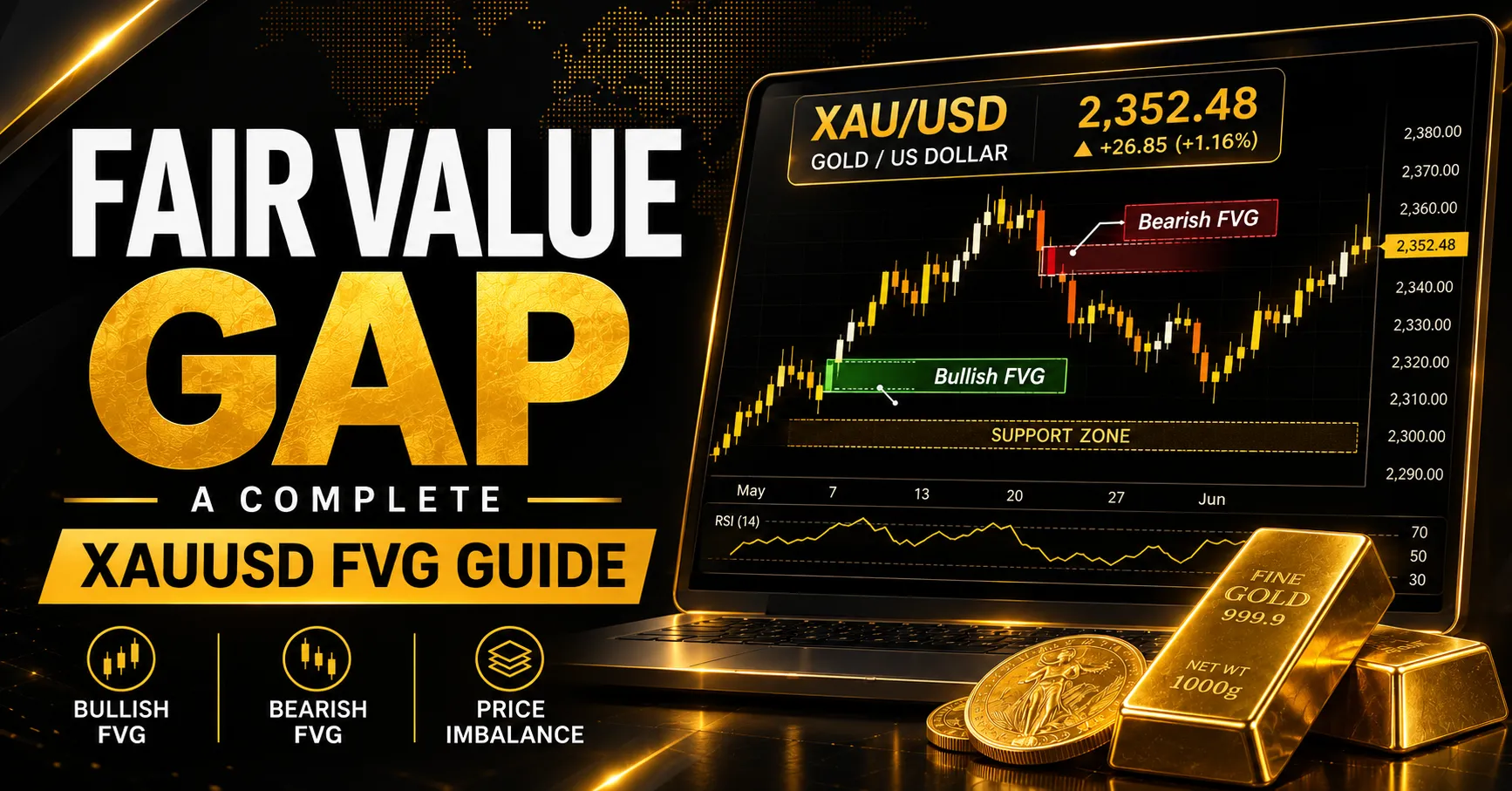
A fair value gap is a price area identified through three consecutive candlesticks.
It appears when the first and third candles do not overlap at part of the middle candle’s price range.
Traders often call this area a price imbalance because the market moved quickly in one direction.
For example, strong buying pressure may push gold higher before sellers have much time to respond. The resulting candle pattern may leave a bullish FVG.
A fair value gap does not mean that no trading happened at those prices. It describes a specific chart pattern, not a verified absence of transactions.
Traders mark the area to see whether the price returns and reacts.
In simple terms, what is FVG in trading? It is a chart zone that helps traders study fast price movements and possible pullbacks.
How Does a Fair Value Gap Form?
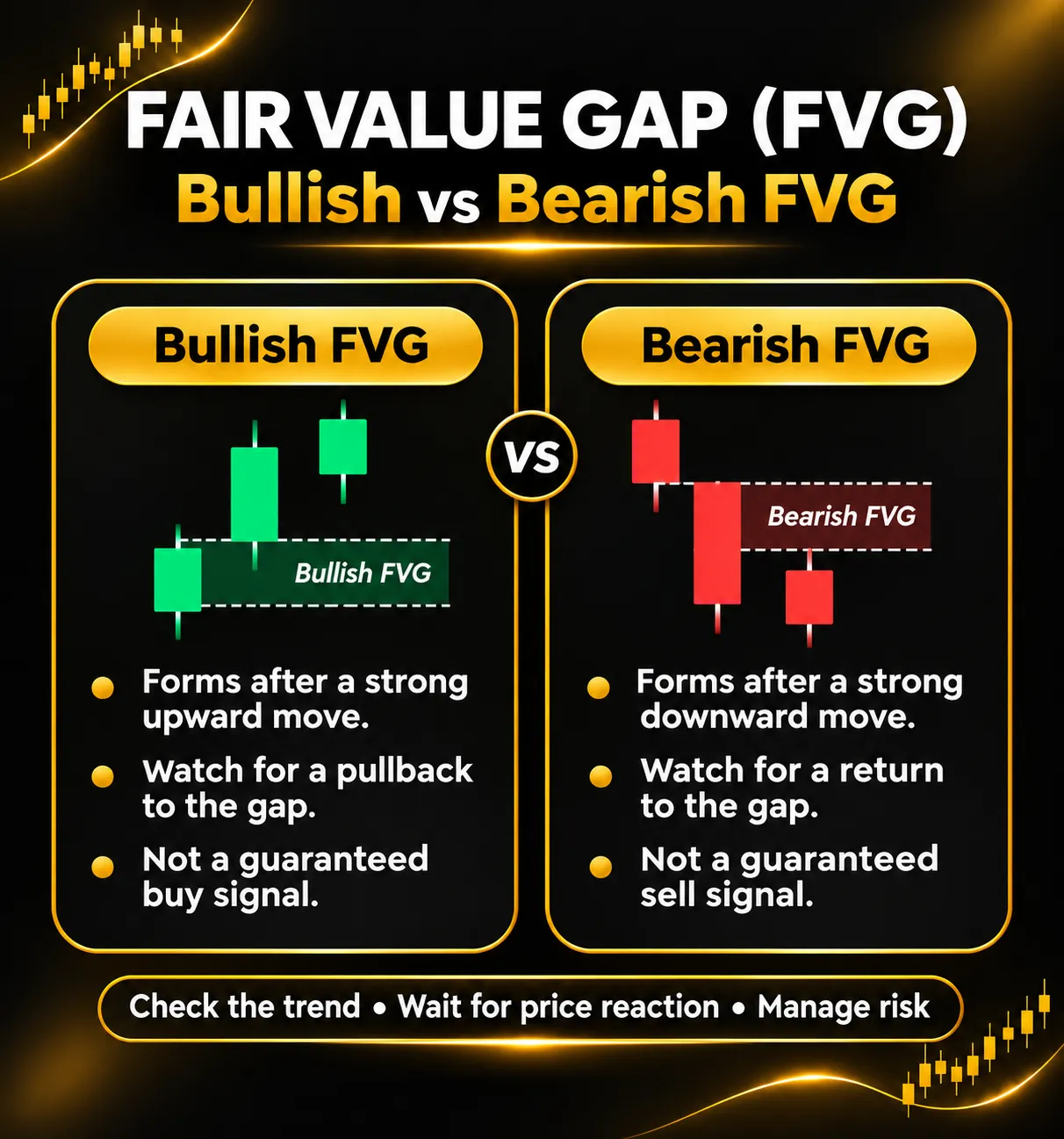
A fair value gap usually forms during a strong upward or downward market move.
The pattern contains three candles:
- First candle: Shows the price before the strong move.
- Second candle: Makes a large move in one direction.
- Third candle: Leaves part of the first candle’s price range without overlap.
The area between the relevant wicks of the first and third candles becomes the FVG.
Traders can draw a rectangle around this area and extend it to the right.
The fair value gap explanation from Capital.com describes this three-candle structure and how traders use it to study price imbalances.
There are two main types of fair value gaps.
Bullish Fair Value Gap
A bullish FVG forms during a strong upward price movement.
The low of the third candle stays above the high of the first candle. This leaves a zone between those two levels.
Traders may watch that zone if the price later pulls back.
For example, gold rises quickly and creates a bullish FVG. Later, the price returns to the marked area and begins moving higher again.
Some traders may treat that reaction as a possible buying setup.
But the price can also fall through the zone. A bullish FVG is not guaranteed support.
Bearish Fair Value Gap
A bearish FVG forms during a sharp downward movement.
The high of the third candle stays below the low of the first candle.
This creates an area that traders may watch if the price rises again.
For example, gold falls after an economic announcement. The candles form a bearish FVG, and the market later moves back toward that level.
If selling pressure appears again, traders may consider a possible short setup.
The main difference between bullish and bearish fair value gaps is the direction of the original price move.
How to Identify a Gold FVG on XAUUSD Charts
A gold FVG can appear on different XAUUSD chart timeframes.
However, finding a visible gap is only the first step. Traders also need to understand the conditions around it.
Step 1: Check the Main Trend
Start by checking whether gold is moving upward, downward, or sideways.
A bullish FVG may be more relevant when the wider market is trending upward.
Likewise, a bearish FVG may attract attention during a downtrend.
Moving averages, price swings, and support and resistance levels can help identify the trend.
Step 2: Look for a Strong Price Move
Find an area where gold moved sharply in one direction.
These movements may occur during active trading sessions or after major economic news.
Look for three candles with the required wick separation.
Step 3: Mark the Fair Value Gap
Draw a rectangle between the first candle’s relevant wick and the third candle’s wick.
Extend the rectangle forward so you can monitor future price reactions.
Avoid marking every large candle as an FVG. The three-candle conditions must be present.
Step 4: Watch the Price Return
The market may return to the marked zone, move through it, or never revisit it.
Watch how candles behave near the area.
A sharp rejection, a pause, or a change in market structure may provide useful context.
Step 5: Plan the Risk
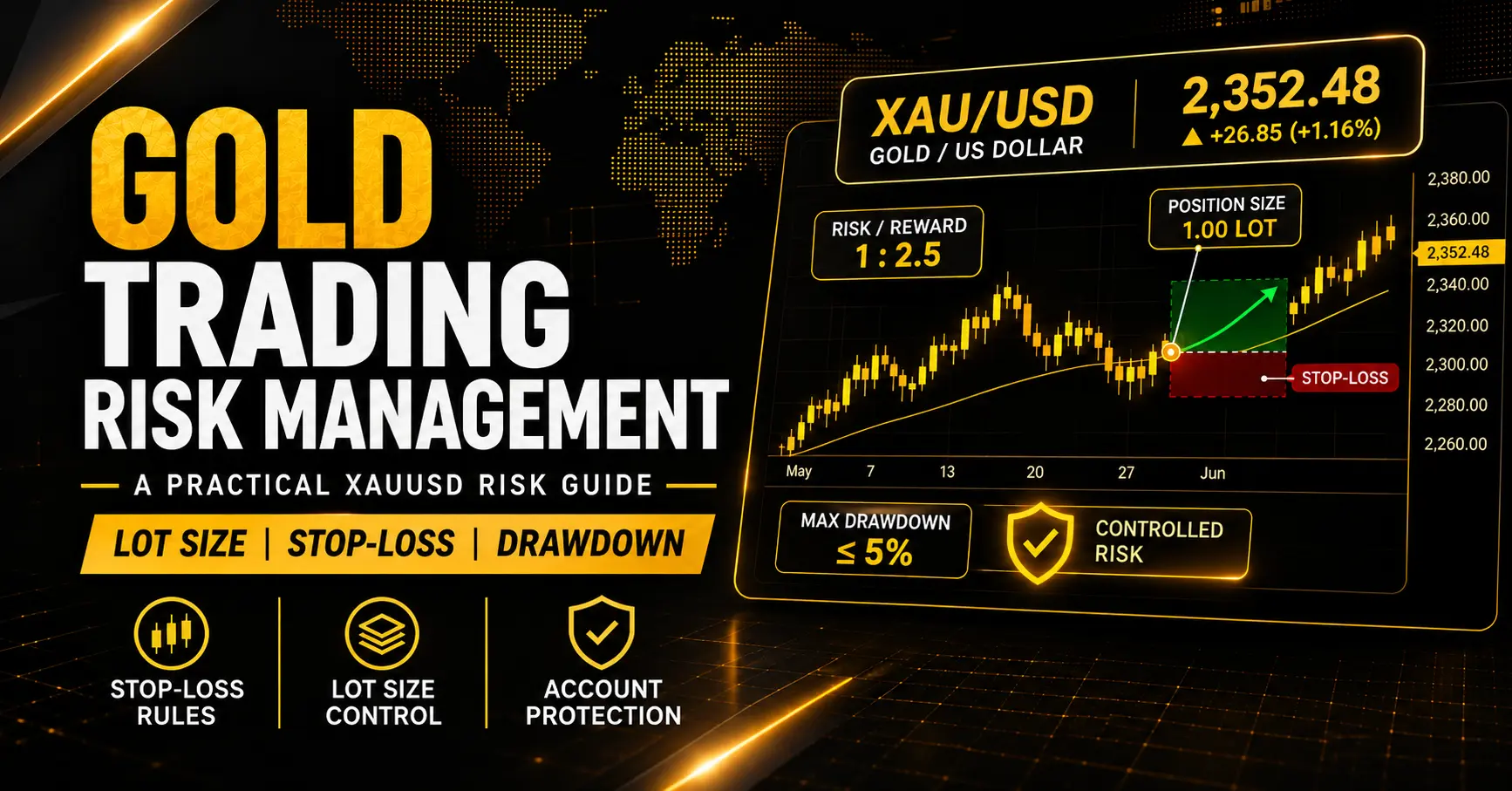
Before considering a trade, identify a logical stop-loss level and possible exit area.
Check whether the potential reward justifies the risk.
If the setup does not offer a clear reason to enter, there is no need to trade.
Fair Value Gap Trading Strategy for Gold Beginners
Beginners can use a simple pullback method to study fair value gaps without depending on many indicators.
Imagine gold is moving upward during an active market session.
A strong bullish candle appears, followed by another candle that completes a bullish FVG.
Instead of buying immediately, a trader waits.
Later, gold moves back into the marked gap. The trader watches for a bullish price reaction before considering an entry.
A possible trading plan might include:
- Market direction: The broader trend is upward.
- Entry condition: Price returns to the bullish FVG and shows buying interest.
- Stop-loss: Below a relevant price structure level.
- Take-profit: Near the next resistance or previous swing high.
- Cancellation: The setup becomes invalid if price breaks the level that supported the trade idea.
This is a hypothetical example, not a current XAUUSD trading signal.
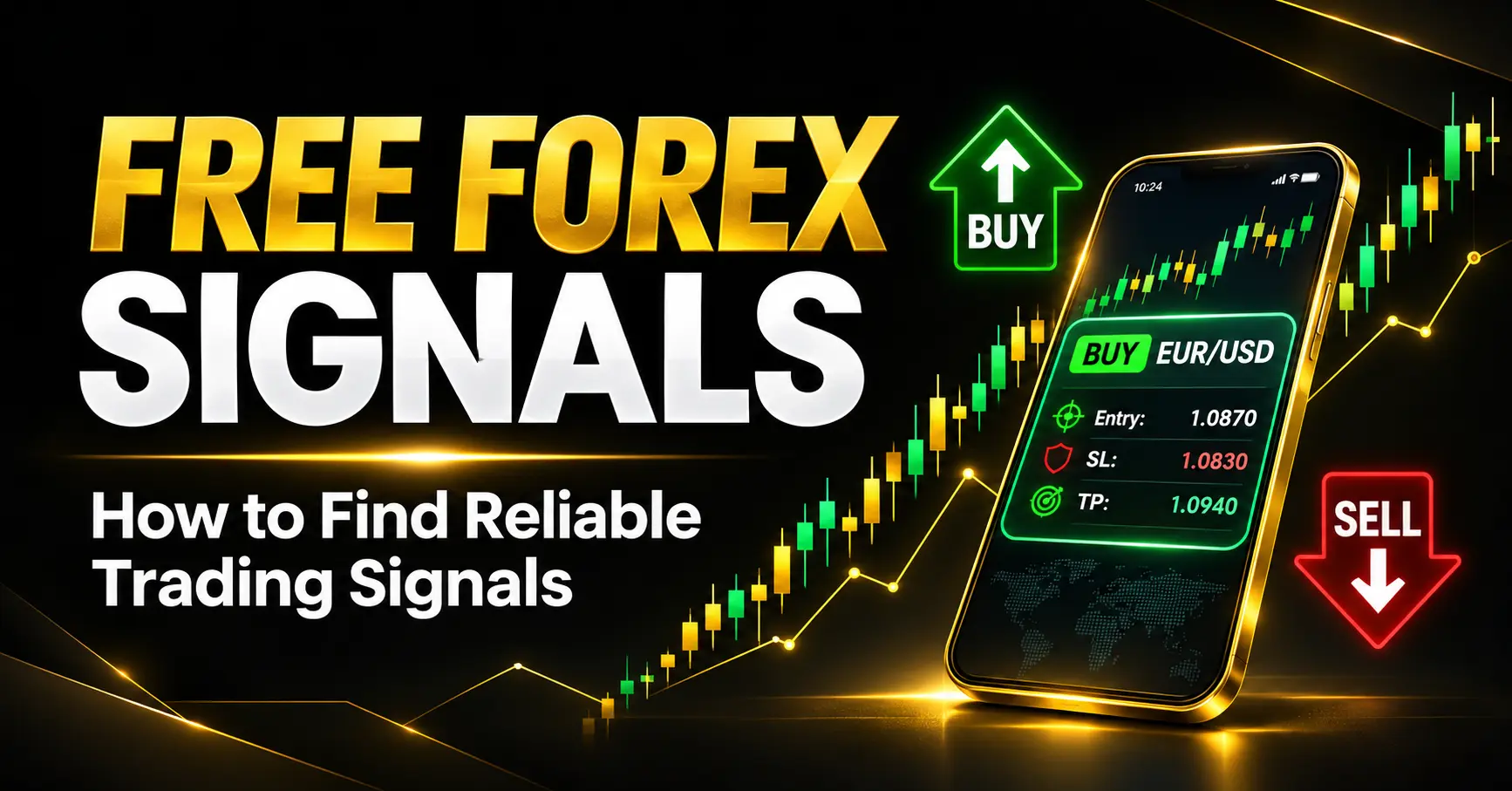
Understanding the difference matters. A trading strategy defines the rules, while a signal presents a specific trade idea.
The site’s discussion of XAUUSD trading signals, entry levels, and stop-loss rules explains how these parts fit into a structured trading plan.
Fair Value Gap and Smart Money Concepts
Fair value gaps are often discussed within Smart Money Concepts (SMC) and Inner Circle Trader (ICT) trading methods.
These methods study price structure, liquidity, order blocks, and rapid market moves.
An order block is commonly described in SMC education as a candle or price zone associated with a strong move away from an area.
A fair value gap is different. It is defined by a three-candle pattern.
Traders may use both concepts together.
For example, an FVG that appears near a marked support area or an order block may attract more attention than a gap in the middle of an unclear market.
Still, these chart patterns cannot prove that banks or large institutions placed orders at a particular level.
The idea behind smart money concepts, order blocks, and fair value gaps is to study price behaviour through a structured framework.
It is not proof of hidden market activity.
Important Rules of FVGs in ICT Trading
The commonly taught rules of FVGs in ICT trading focus on identifying the pattern and evaluating the surrounding market structure.
These principles can help beginners avoid random entries.
Identify the correct candle pattern. The first and third candles must show the required separation.
Trade with market context. A gap near an important price level may be more useful than an isolated gap.
Wait for a reaction. Price touching a fair value gap does not confirm a reversal.
Use a clear invalidation level. Decide what would make the trade idea wrong.
Avoid forcing trades. Some fair value gaps are filled, some are ignored, and others remain open.
There is no universal rule that makes every FVG profitable.
Are Fair Value Gaps Real and Reliable?
Are fair value gaps real? Yes, the three-candle pattern can be identified on price charts.
But whether it offers a reliable trading advantage is a different question.
A fair value gap is a chart observation. Its usefulness depends on the market, timeframe, trading rules, and execution costs.
Some traders believe prices often return to FVG zones. However, this does not mean every gap must be filled.
Gold prices can react to unexpected news, changes in interest rate expectations, and shifts in the US dollar.
A strong market move can pass through an FVG without any clear reversal.
Traders should test their rules using historical data and demo trading before risking money.
Common Fair Value Gap Trading Mistakes
New traders often make mistakes when they first start using FVGs.
Common problems include:
- Trading every gap: Not all FVGs appear in useful market conditions.
- Ignoring the trend: Entering against strong price momentum without a clear reason.
- Entering too early: Buying or selling before the market shows a reaction.
- Forgetting economic news: Gold can move sharply during major announcements.
- Using too much leverage: Small price movements can create large financial losses.
The broader principles of trend analysis and risk control also appear in gold trading strategies for beginners.
Risk management remains essential even when a chart setup looks clear.
Conclusion
A fair value gap trading strategy gives traders a structured way to study fast price movements and possible pullbacks.
For gold traders, the main task is not simply finding a gap. It is understanding the wider trend, watching how price reacts, and controlling risk.
Bullish and bearish FVGs can highlight areas worth monitoring, but they cannot predict the next move with certainty.
The XAUUSD analysis and educational resources available through Elite Gold Signal can provide additional market context when assessing technical setups.
Start by studying historical gold charts, marking fair value gaps, and reviewing how price behaves around them. A clear process matters more than chasing every trading opportunity.
Risk Disclaimer: This article is for educational purposes only and does not provide personalised financial advice. Gold, forex, CFDs, and leveraged products carry substantial financial risk. Trading losses can be significant, and no chart pattern or strategy guarantees a profitable result.
Frequently Asked Questions...
What Is a Fair Value Gap in Trading?
A fair value gap is a three-candle chart pattern where the first and third candle wicks leave an area without overlap. Traders watch this zone for possible price reactions.
Can Beginners Use a Fair Value Gap Trading Strategy?
Yes. Beginners can study bullish and bearish FVGs on XAUUSD charts. They should practise identifying gaps and managing risk before trading with real money.
Does Every Fair Value Gap Get Filled?
No. Price may return to a gap, partially enter it, move through it, or never revisit it. There is no guarantee that an FVG will be filled.
Is a Bullish FVG a Buy Signal?
Not by itself. A bullish FVG identifies a possible area of interest. Traders should also consider market direction, price confirmation, and risk.
Can Fair Value Gaps Be Used in Algorithmic Trading?
Yes. A program can detect FVGs using candle data and preset conditions. However, automated detection does not guarantee that the resulting strategy will be profitable.