Gold still stays one of the most actively traded assets in the financial markets, and honestly, it feels like everyone is watching it. Since market volatility keeps showing up and, in a way, opening up new opportunities, traders are now using gold signals more and more to spot where they might enter and where they should exit. Yet still, one question comes up a lot for traders in 2026: Do you use free gold signals, or do you actually put money into paid services?
The back and forth about Free vs Paid Gold Signals has gotten more intense, too, because signal providers keep trying to win attention with faster updates, better accuracy, and broader market coverage. Free tools can look really attractive at first glance, but premium platforms often also promise stronger performance, plus more disciplined trade management.
In this guide, you will understand the comparison between both choices and look at what really delivers better XAUUSD trading results in today’s market conditions.
Understanding the Growing Demand for Gold Signals
Gold trading has changed a lot in the past few years, and honestly, it still feels like it shifts fast. Things like market-moving events, central bank decisions, worries about inflation, and geopolitical developments can push gold prices around within minutes.
Because of that, a lot of traders lean on signal providers to get trade ideas they can use, without spending hours digging through charts and context every single time. Whether someone is chasing short-term chances or watching the bigger picture, these signals still help them spot potential setups in the super liquid gold market.
Also, the interest in free trade signals has grown, mainly because they’re easy to access, and you don’t need an upfront investment. But at the same time, experienced traders still look for premium services, which tend to bring more steady results and reliability, from their point of view.
What Are Free Gold Signals?
Free gold signals are basically trading recommendations that come without subscription fees. They are often circulated through websites, social media platforms, mobile applications, and different messaging groups.
You might see signals that include entry levels, stop loss suggestions, take profit targets, market direction, and simple trade updates.
A lot of traders start out with the free stuff because it gives them a chance to get exposure to market opportunities, without paying anything first.
Still, free signal providers usually run on limited resources, and this can mess with speed, consistency, and accuracy. Signal frequency can be all over the place, and support is often pretty minimal.
So if you search for gold buy-sell signals today, you might find some providers posting several setups each day, but the quality can vary a lot, from one source to the next, and sometimes even within the same one.
What Are Paid Gold Signals?
Paid gold signals are kind of subscription-based trading recommendations, usually delivered by professional analysts or by a specific research group that sticks to it consistently.
Most premium providers:
- Put their attention into advanced market monitoring,
- Plus, they run dedicated analyst teams
- They usually maintain risk management frameworks that are more organized than ad-hoc approaches.
- You also get real-time trade updates,
- There is customer support, ready when something feels off
Overall, these services seem built for traders who want a more structured experience, not just random pings during the day.
A lot of these premium providers also focus on high-quality gold trading signals, as they care more about the trade itself and not only about raising the total number of signals they send out.
Paid options generally deliver faster reaction times when major market events hit, too, so subscribers can react with less delay and handle shifting conditions in a cleaner way.
Accuracy: The Biggest Difference Between Free and Paid Signals
The biggest thing most traders look at is accuracy, and then accuracy again.
Sure, some free providers can deliver decent results, but holding solid long-term consistency without heavy research resources can be hard, at least for many of them.
Premium providers often run full teams that keep monitoring what’s happening in the market and they refine the signal quality continuously. Because of that they can spot higher-probability opportunities, and they can also revise the recommendations as conditions evolve, which is sort of the whole point.
In many cases, subscribers say they feel more confident when they use premium services, mainly because the signals come with deeper market analysis, and because risk controls are stronger and not just “hope-based”.
So this is one reason why a lot of traders who are searching for the best gold signals eventually move from free services to paid subscriptions.
Just to be clear, accuracy alone does not automatically mean profit, but it can seriously improve how consistently decisions get made over time.
Speed and Market Coverage
Gold markets can move pretty fast after economic announcements, inflation reports, or even geopolitical things, you know. And once price action really starts to accelerate, early signals that come in late may lose their value within minutes.
Free providers are usually feeding huge audiences, and sometimes the delivery is a bit laggy. Also, some signal sources publish the call only after a large part of the move has already happened, so it feels like catching the tail end rather than the turn.
Premium services, on the other hand, often prioritize real-time distribution, with quicker messaging routes and tighter timing. This speed gap starts mattering a lot for traders who actively trade gold during high-volatility sessions, where seconds can turn into slippage or missed entries. In those kinds of fast markets, being able to execute promptly can make a visible difference in overall results, not just in theory.
Risk Management Standards
Another big distinction between free and paid services is risk management, honestly. Many free signal providers tend to highlight the trade ideas, while giving only limited help on how much risk is actually being taken.
Premium services often include things like:
- clearly defined stop-loss levels
- guidance on position sizing
- portfolio risk considerations
- updates that adjust the trade plan as conditions change
Strong risk management helps traders stay consistent during both the smooth runs and the more difficult stretches. Good providers know that preserving capital is just as important as spotting potentially profitable moments.
And as competition keeps increasing between providers, risk management has turned into a major differentiator for the best gold signal provider, especially if they want long-term credibility that actually holds up.
Transparency and Performance Tracking
Trust really matters a lot when you’re trying to judge signal providers, like, in general.
A bunch of free services may publish selective outcomes; they show the successful trades, while leaving out the losing ones. Kinda convenient, even if it feels a bit odd.
Premium providers are usually under a stronger kind of pressure to show real performance transparency. They tend to keep quite detailed trade histories, plus performance reports and those historical statistics too.
When the reporting is transparent, traders can better check if the provider’s results match what they actually expected in the first place.
By 2026, it feels like transparency is turning into one of the biggest things that separates solid reputable providers from the lower quality “signals” crowd. Not always, but often.
So if someone wants dependable gold signal opportunities, a verified performance record tends to give more confidence than marketing claims alone.
Community and Support
Also, support quality varies a lot between free and paid options, honestly.
With free groups, interaction is often limited, and the updates are kind of generic. If you ask a question, it may not get answered simply because the audience is huge, and messages get lost or ignored.
Premium services usually include things like:
- Direct support channels, proper ones
- Faster responses when something happens
- More consistent market updates
- Continued communication, not only at random times
A lot of providers have even built active trading communities where subscribers can keep track of market developments as they come.
And that extra layer of help can make the whole trading experience better, especially during times of higher market volatility, when you really need clarity, and not just hype.
Telegram Signals: Free vs Premium Channels
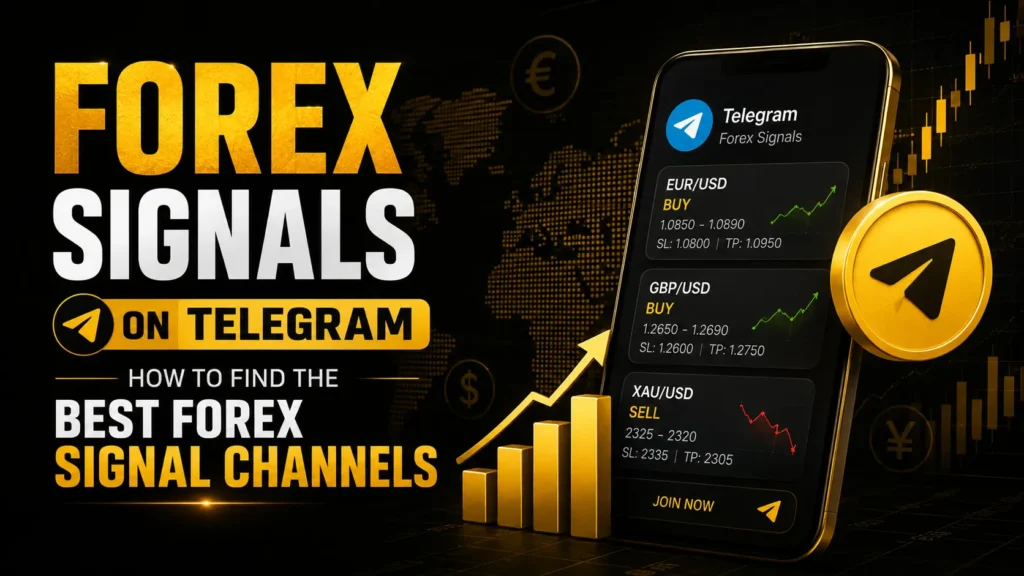
Telegram is still one of the most popular platforms for signal delivery, honestly. A quick search shows thousands of channels giving out gold trading suggestions.
A lot of gold signals in Telegram groups come with free daily setups that are meant to pull in huge audiences, and yeah, it works, for some. Still, some of them just want the follower count more than the actual signal quality, which is kind of the point.
Premium Telegram channels usually run with a subscription approach, and they tend to stay focused on keeping clients long-term, mostly by showing consistent results over time.
Before you jump into any service, traders should really check transparency levels, how clean the communication is, and whether there are solid historical performance records. Not just screenshots, but actual, trackable stuff.
XAUUSD Performance Comparison in 2026
Meanwhile, the XAUUSD market continues drawing global attention, mainly because it has good liquidity and also volatility that you can work with.
As more providers enter the scene, premium services have expanded their research and built up analytical capacity. And that’s why there’s been a stronger demand for premium XAUUSD signal solutions among traders who want more structured entry plans, not random ideas.
Free signals are still everywhere, of course, but many experienced traders end up choosing premium because the updates are faster, reliability is usually higher, and the risk management framework is often better organized.
The performance difference isn’t always this huge, dramatic gap, but premium providers often show steadier consistency when you look across longer periods.
The Role of Gold and the US Dollar
And then there’s the gold-to-US-dollar link, which stays a big push factor for market movement. When traders monitor the gold dollar relationship, they often see inverse price behavior, so you can get opportunities depending on what the market is doing.
Professional signal providers keep a close watch on this connection when they build their recommendations.
Their ability to respond quickly when currency strength shifts, that usually helps them produce better overall signal quality.
This is another reason why premium services continue gaining popularity among active gold traders in 2026.
Evaluating Premium Gold Signal Services
Not every paid provider really delivers the same value, not even close.
Before subscribing, traders should kinda double-check
- How steady the historical performance looks
- Whether their risk management standards are actually solid
- The signal delivery speed, and if updates arrive on time
- How well the customer support comes across
- How transparent the results are ( not just screenshots )
- What the community reputation says, over time
If a provider is bragging with unrealistic win rates, you should take a step back and proceed with caution, seriously.
The best services usually lean into consistency, discipline, and long‑term performance, rather than loud sensational marketing promises that feel kinda too perfect.
A lot of traders who are hunting for the top XAUUSD signal providers end up putting transparency and verified track records first, before anything else.
Free vs Paid Gold Signals: Which Option Wins in 2026?
Both free and paid gold signals have a spot in the market right now, even if they’re not the same.
Free services give accessibility and let traders explore gold market opportunities without paying a subscription fee.
But in most cases, paid providers offer stronger accuracy, more reliable support, faster updates, improved risk management, and better transparency.
For traders who care about steadiness and long‑term performance, premium providers often give a more complete trading experience, not just random alerts.
And since the gold market keeps getting more competitive, many participants treat premium signal services like a small investment into smarter decision‑making, not just an extra cost they have to swallow.
Whether you follow the gold market movements every day, or you actively watch emerging chances with gold GSD strategies, choosing the right signal provider can seriously shape how your trading feels overall.
In the end, the whole Free vs Paid Gold Signals debate comes down to what you value most. If price is your main concern, free services might be enough. If you want consistency, support, and performance that holds up, then premium gold signals are likely to be the better value in 2026.
Explore a More Consistent Approach to Gold Trading
Ready to improve your gold trading decisions? Join Elite Gold Signals for timely XAUUSD trade alerts, professional market insights, risk-focused strategies, and reliable support designed for consistent trading performance.
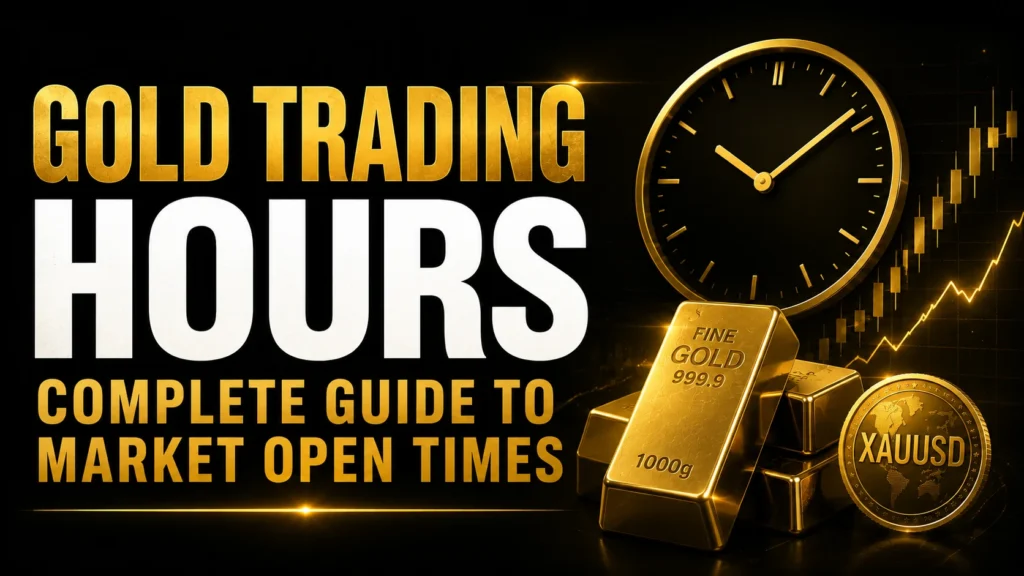
Gold futures on COMEX usually start Sunday around 6:00 PM ET, and they run almost 24 hours a day through Friday, with this quick little maintenance pause each day.
Gold prices also move fast when inflation reports drop, when central bank interest rate decisions happen, and during geopolitical stress, plus any meaningful US dollar shifts. That mix, along with general economic uncertainty, means you get lots of price swings and higher market volatility, kind of right away.
As for leverage, the “best” amount really depends on how much risk you’re actually comfortable with, though many traders end up choosing moderate leverage around 1:10, 1:30, to keep some opportunity without losing control of risk management.